For me, the attribute that makes a comment most useful or entertaining to read is specificity. General impressions are nice, but I really appreciate when someone points out a particular aspect of my story that they liked or disliked. For instance, on my Week 3 story, two people mentioned that they liked how I described Vali's morning workout. This is helpful to me because I know that I did a good job in this instance of making the character relatable, which was the entire point of the story.
So far, I haven't received much in the way of criticism or suggestions. While this inflates my ego, it doesn't make me a better writer. I really would appreciate more constructive criticism.
I also appreciate comments on my image. As the first impression of the story, I think the images are very important. This is probably because I am a photographer, so I like to think about images, and I am happy when other people enjoy my photography. Although I don't expect anyone here to give me constructive feedback on my photography, I've found that is something difficult to come by.
Additionally, on several of my posts, I've provided links within the story or author's note. I appreciate when people who comment on those links so that I know they were somewhat useful.
I think the most interesting comments I receive on my introduction post are ones with facts, anecdotes or links. Its almost always more fun to read a comment when you get an interesting fact or story out of it.
With my comments so far, I think I've done a good job of providing specific suggestions for people to improve their writing. However, I need to focus on providing more specific praise.
Showing posts with label Week 5. Show all posts
Showing posts with label Week 5. Show all posts
Friday, September 25, 2015

Wednesday, September 23, 2015
Week 5 Storytelling: Palace of Fire
The Pandavas and their mother, Queen Kunti rode to the top of the hill, where an enormous palace stood, its magnificence matched nowhere else on Earth. It was a malevolent masterpiece of Prince Duryodhana, but the Pandavas did not yet realize the Prince's cruel intent. They entered the Great Hall. Above them was a vaulted wooden ceiling. Emblems of all the great families lined the ceiling, and statues of fierce warriors watched over the vast space. Despite their royalty and wealth, the Pandavas had never gazed upon any palace as grand. They looked forward to spending the next few months in the place.
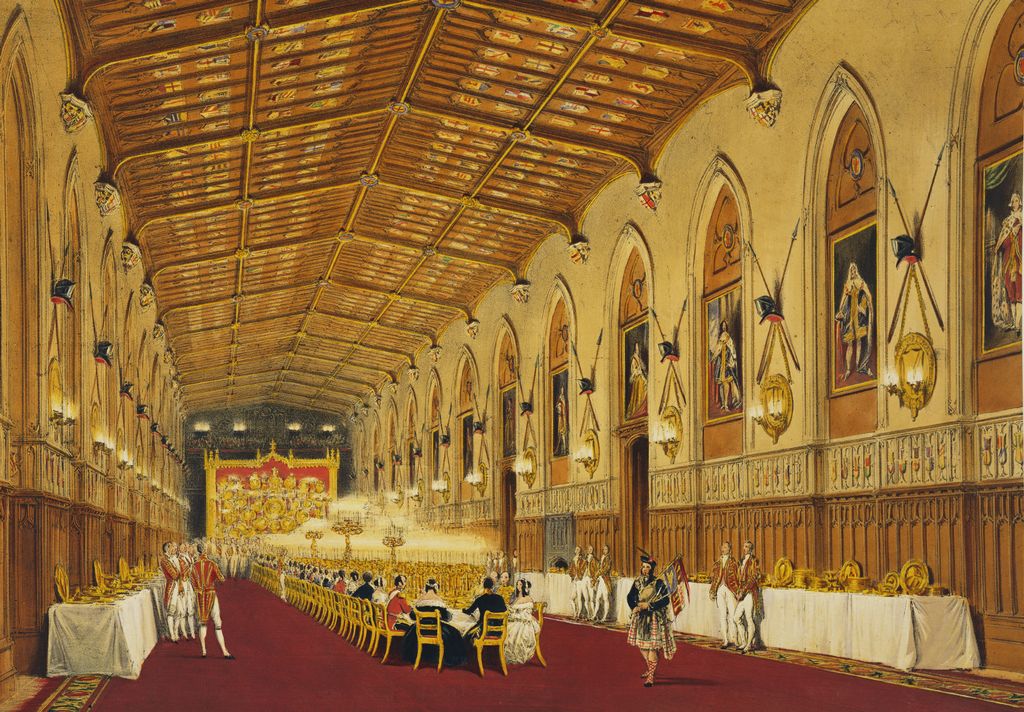
Now Yudhishthira had received a warning from Prince Vidura about Duryodhana's treachery. He soon realized that the entire palace was built with wood and soaked in oil. His rage was immediately inflamed and he desired to leave the castle at once and kill Purochana, the guard Duryodhana had sent along with them. Yudhishthira realized that Purochana had been sent to set the palace ablaze. However, he realized that killing Purochana would seem unjustified and anger his people. Instead, as he calmed down, he concocted a different plan to enact his revenge. He counseled with his mother and the rest of his brothers, and they set to work at once.
The next day they announced their plans to hold a grand banquet to celebrate the completion of the palace. As a reward for overseeing its completion, the Pandavas invited Purochana and all the other guards to attend this feast. Yudhishthira went into the city hire additional kitchen staff and make the necessary arrangements. Unbeknownst to Purochana, he also found a miner to help him complete a special project. For the next fortnight, the Pandavas kept Purochana under a keen eye to make sure he did not set the palace on fire.
Finally, the day of the feast arrived. The tables were decorated to their finest and there was enough food to feed an entire army. Near the end of the meal, Yudhishthira accidentally knocked over a candle while raising his glass. The table immediately burst into flame. At the same time, all around the palace, servants set fire to the building and left with great haste. The Great Hall stirred with commotion as the guards rushed to leave. In their hurry, none of them realized that the royal family had disappeared. The entire palace was engulfed in flames and the guards had no means of escape. They all perished.
The next morning, the townspeople saw the heap of ashes and began to mourn the loss of the royalty. At that time, the Pandavas arose from the underground shelter which the miner had built. When the people saw the Pandavas arise from the ashes they shouted, "Masters of the Flames!" Thus the Pandavas had their revenge and their glory was doubled throughout their kingdom.
Author's Note: This story was particularly difficult to write. I enjoyed the story about the "House of Fire" especially because of the tunnel. However, building a tunnel seemed somewhat pointless since the Pandavas could have just walked out of the house. I wanted to retell the story where the Pandavas are in the house when it catches fire so an underground passage is needed.
Bibliography:
"The House of Fire" by C.A, Kincaid, from The Indian Heroes (1921). Web Source: PDE Mahabharata.
The Great Hall (in a strange gothic style)
Image from Wikipedia

Now Yudhishthira had received a warning from Prince Vidura about Duryodhana's treachery. He soon realized that the entire palace was built with wood and soaked in oil. His rage was immediately inflamed and he desired to leave the castle at once and kill Purochana, the guard Duryodhana had sent along with them. Yudhishthira realized that Purochana had been sent to set the palace ablaze. However, he realized that killing Purochana would seem unjustified and anger his people. Instead, as he calmed down, he concocted a different plan to enact his revenge. He counseled with his mother and the rest of his brothers, and they set to work at once.
The next day they announced their plans to hold a grand banquet to celebrate the completion of the palace. As a reward for overseeing its completion, the Pandavas invited Purochana and all the other guards to attend this feast. Yudhishthira went into the city hire additional kitchen staff and make the necessary arrangements. Unbeknownst to Purochana, he also found a miner to help him complete a special project. For the next fortnight, the Pandavas kept Purochana under a keen eye to make sure he did not set the palace on fire.
Finally, the day of the feast arrived. The tables were decorated to their finest and there was enough food to feed an entire army. Near the end of the meal, Yudhishthira accidentally knocked over a candle while raising his glass. The table immediately burst into flame. At the same time, all around the palace, servants set fire to the building and left with great haste. The Great Hall stirred with commotion as the guards rushed to leave. In their hurry, none of them realized that the royal family had disappeared. The entire palace was engulfed in flames and the guards had no means of escape. They all perished.
The next morning, the townspeople saw the heap of ashes and began to mourn the loss of the royalty. At that time, the Pandavas arose from the underground shelter which the miner had built. When the people saw the Pandavas arise from the ashes they shouted, "Masters of the Flames!" Thus the Pandavas had their revenge and their glory was doubled throughout their kingdom.
Author's Note: This story was particularly difficult to write. I enjoyed the story about the "House of Fire" especially because of the tunnel. However, building a tunnel seemed somewhat pointless since the Pandavas could have just walked out of the house. I wanted to retell the story where the Pandavas are in the house when it catches fire so an underground passage is needed.
Bibliography:
"The House of Fire" by C.A, Kincaid, from The Indian Heroes (1921). Web Source: PDE Mahabharata.
Tuesday, September 22, 2015
Reading Diary B: PDE Mahabharata
21. House of Fire - I don't understand why Prince Vidura has a miner dig a tunnel out of the house. Although it is an interesting way for them to escape, it seems unnecessary. They weren't prisoners, they could have just left when they realized that the house was soaked in oil. I also expected Vidura to be punished for the deaths of the innocent beggars, but instead, they just provided a means of escape for the Pandavas.

23. Bhima and Hidimbi - That was fast. Bhima barely knows Hidimbi when he decides to take her as his bride. Bhima is very good at breaking backs. He also breaks Jarasandha's back later in the story.
27. Wife of the Five Pandavas - It is strange to me that Draupadi is accidentally married to five men. People in the Mahabharata take their words very seriously even when the outcome does not make sense. For instance, when Arjuna walks in on Draupadi and Yudhishthira he stays true to his vow and goes into exile for 12 years. Even though Yudhishthira did not want Arjuna to depart, he still leaves. It seems like this attitude of taking the spoken word so seriously causes a lot of unnecessary trouble.
34. The Burning of the Forest - During the wedding of the Pandavas and Draupadi, the Pandavas are said to be an incarnations of Indra. It seems strange that Arjuna would fight Indra if he himself was an incarnation of Indra.
37. The Gambling Match - It is particularly sad to see Yudhishthira gamble all his possessions away. Gambling is a dangerous endeavor. Even today, many people are destroyed through their gambling addiction. Since he lost every single match, I am surprised that Yudhishthira was not wise enough to know that the game was unfair.
Vidura's Tunnel
Image from Wikipedia

23. Bhima and Hidimbi - That was fast. Bhima barely knows Hidimbi when he decides to take her as his bride. Bhima is very good at breaking backs. He also breaks Jarasandha's back later in the story.
27. Wife of the Five Pandavas - It is strange to me that Draupadi is accidentally married to five men. People in the Mahabharata take their words very seriously even when the outcome does not make sense. For instance, when Arjuna walks in on Draupadi and Yudhishthira he stays true to his vow and goes into exile for 12 years. Even though Yudhishthira did not want Arjuna to depart, he still leaves. It seems like this attitude of taking the spoken word so seriously causes a lot of unnecessary trouble.
34. The Burning of the Forest - During the wedding of the Pandavas and Draupadi, the Pandavas are said to be an incarnations of Indra. It seems strange that Arjuna would fight Indra if he himself was an incarnation of Indra.
37. The Gambling Match - It is particularly sad to see Yudhishthira gamble all his possessions away. Gambling is a dangerous endeavor. Even today, many people are destroyed through their gambling addiction. Since he lost every single match, I am surprised that Yudhishthira was not wise enough to know that the game was unfair.
Monday, September 21, 2015
Reading Diary A: PDE Mahabharata
4. Devavrata's Vow - What I don't understand is why Devavrata didn't marry Satyavati instead of vowing not to have children or take the throne. It seems like it would have worked better for everyone if the two married. That way, Devavrata would have still become king and the line would be continued.
5. Bishma at the Swayamvara - Bishma demonstrates his mighty power by capturing the three princesses. His skill also makes me wonder why he took the vow; he could easily have been a powerful ruler. It seems like Bishma tries to do right, but instead just makes more trouble for himself. First vows not to be king, and now he captures the princesses. Because of the trouble with Amba, Bishma will be slain by her.

9. Pandu and His Wives - It seems like ancient kings really need to be more careful when they go hunting. It is really a bummer for Pandu that he is doomed to die in the arms of one of his wives just for the small mistake that he made. It seems that in many stories, the main troubles are caused by small mistakes.
18. The Arrival of Karna - It seems like Arjuna and Karna could have resolved their differences to their benefit if they had not been overly prideful and refused to back down. I wonder how it would have changed their reactions if they knew that they were brothers.
19. Drona's Revenge - I wonder if Drona will later regret taking out revenge on Drupada. While Drona is happy with the settled score, it seems like Drupada wants to get revenge of his own.
5. Bishma at the Swayamvara - Bishma demonstrates his mighty power by capturing the three princesses. His skill also makes me wonder why he took the vow; he could easily have been a powerful ruler. It seems like Bishma tries to do right, but instead just makes more trouble for himself. First vows not to be king, and now he captures the princesses. Because of the trouble with Amba, Bishma will be slain by her.
Bishma abducts the three princesses
Image from Images and PDE Epics
9. Pandu and His Wives - It seems like ancient kings really need to be more careful when they go hunting. It is really a bummer for Pandu that he is doomed to die in the arms of one of his wives just for the small mistake that he made. It seems that in many stories, the main troubles are caused by small mistakes.
18. The Arrival of Karna - It seems like Arjuna and Karna could have resolved their differences to their benefit if they had not been overly prideful and refused to back down. I wonder how it would have changed their reactions if they knew that they were brothers.
19. Drona's Revenge - I wonder if Drona will later regret taking out revenge on Drupada. While Drona is happy with the settled score, it seems like Drupada wants to get revenge of his own.
Subscribe to:
Posts (Atom)